
How To Recover From A Google Algorithm update
We’ve seen it many times: A company creates a website they love that serves as a crucial source of customers. Through the use of certain SEO practices, they’ve built strong organic rankings on Google for their target keywords and then… it all changes. Their rankings drop literally overnight, visitor numbers to their website plummet, and enquiries or orders dry up.
So, what’s happened?
If you’re encountering a scenario similar to the one above, it’s highly likely that your website has been penalised as part of a Google algorithm update. It’s something you probably weren’t prepared for or even aware might happen. But it’s possible to recover from this with some focused graft.
Nb. If you’ve just seen drops in visitor numbers, rather than drops in rankings, check out my guide: Why website visitor numbers might have dropped.
What is a Google Algorithm update?
Firstly, let’s talk about what an algorithm update actually is. In recent years, Google Search has evolved to present users with content that is higher quality and more relevant to what it thinks they’re looking for. Google wants its users to feel they are finding the best answers to their questions from the most useful websites.
To do this, Google’s search algorithms will hunt for and rank websites based on which ones appear most likely to deliver the best results for users’ searches. The benchmarks that Google’s algorithm is looking for are good quality links to your website (from other websites), the quality of the content you publish, and how technically sound the setup of your website is. The way Google analyses and interprets these elements is constantly evolving through the use of their search algorithms. Depending on the scale of an update, it can have a major impact (both positive and negative) on your site’s ranking performance, but it could also have no effect.
So how do you know when an update has taken place? Check out Search Engine Journal’s history of algorithm updates
How to recover if you’re hit – a 3 step process
What you specifically need to do will vary depending on the nature of the latest update. On a more occasional basis, Google will release a “core update,” which is more universal and can impact a number of metrics. However, the more frequent, smaller updates will specifically target certain types and aspects of websites. This means that some updates will only be relevant to some websites and irrelevant to others. This provides webmasters an opportunity to gain an insight into why some websites get hit when they do.
For example, in Feb 2023 Google announced the “Product Reviews Update”. This is a sixth iteration of an algorithm aimed at targeting websites that focus on reviewing products. But (for example) if you’re a digital marketing agency (like me), then it’s highly unlikely to impact your website at all.
If you have noticed your website has lost ranking positions recently, then the good news is that any website can recover.
So, here’s an action plan, using a logical 3 step process.
1. Research why your website has lost rankings
Before you can begin recovering your ranking positions, it’s really important to understand why they’ve dropped in the first place. If you don’t track when any Google algorithm updates happen, then reading this article may be the first step towards understanding what has happened. And going forward, it’ll be a great idea for you to start tracking these updates.
Once you have established that an update has affected your website, you need to determine what it targeted and check whether other websites in your space have also been affected (both positively and negatively).
Next, have a look at which specific content on your website has been affected. This involves going through each page and investigating if any have declined in rankings. Or conversely, if there have been any improvements in rankings. This is relatively straightforward to check if you’re actively monitoring your ranking positions. If you’re not doing this already, you could use tools like SE Ranking or SEMRush to help you.
Once you have determined which rankings have declined, have a think about the web pages that were affected. Ask yourself:
- Which keywords have declined and how do they relate to the pages? Are they optimised for both target keywords and other related search phrases?
- How much do you know about the latest algorithm update?
- Based on what you know about an update up to this point and your own opinions, are there things that could improve both the content and the user experience on these pages?
2. Create a plan for how to recover lost rankings
So now it’s time to create a plan to recover your lost rankings, and the first step here is to confirm what you already know.
- You know if there was a recent algorithm update and what it was targeting.
- You know which pages on your website were affected and what rankings you’ve lost
- You know what your website goals are and how that relates to the latest update
All this information will help you develop an effective strategy.
How?
Let’s go back to the previous example we used of the update that was targeted at review websites. And let’s take a website that reviews the latest smartphones.
This example website is full of articles of varying lengths and detail on smartphones and accessories. Many of these articles are accurate and useful, but then Google releases a “Product Reviews Update,” and all of a sudden, loads of pages lose ranking positions.
Your research shows that the update advice revolves around providing qualified opinions and information about the product being reviewed, which goes above and beyond what the manufacturer says about it. Such as explaining how it’s evolved from previous models and providing ways that make it easy for users to purchase the product. All of this is aimed at delivering more in depth and useful content to Google’s users.
The first step here is to identify which external web pages have benefited from this update. Evidence might suggest that the competing web pages that have benefited from the update are longer, that they include links to related content (blogs/landing pages etc), they link out to high authority sources of information, and also offer easy ways for readers to buy.
Using this information, you can create a list of tasks or changes aimed at making your content better in the eyes of the Google bots.
3. Sensibly and strategically make updates to your website
So, now you have a clear understanding of why your website has lost rankings and what you need to do to begin recovering them. Next, you need to implement some updates. Depending on your website setup, this could present some challenges.
For example, if you have direct access to your website content through a CMS, such as WordPress, you could action small updates quickly. But if you don’t have the tools, or your website setup doesn’t allow for more significant changes, this could be a longer process.
We understand that seeking a developer’s expertise can be costly. But before you rule this out as an option, ask yourself why you want to make these changes in the first place. And also what the end goal could look like. If the ranking drops are significantly undermining your business, then you need to find the right balance. Inaction won’t get you back to where you were.
Get a website set up for winning results
Google algorithm updates are an unfortunate challenge every website owner or webmaster faces, and trust me, I know it’s frustrating. However, try to look at algorithm updates as opportunities to move forward.
Staying on top of the latest best practices will not only keep you ahead of your competitors, but it will also ensure you’re providing the best content and experience for your users.
Still not sure what’s going on with your website? Speak to a friendly expert.
Further reading
Proof and examples
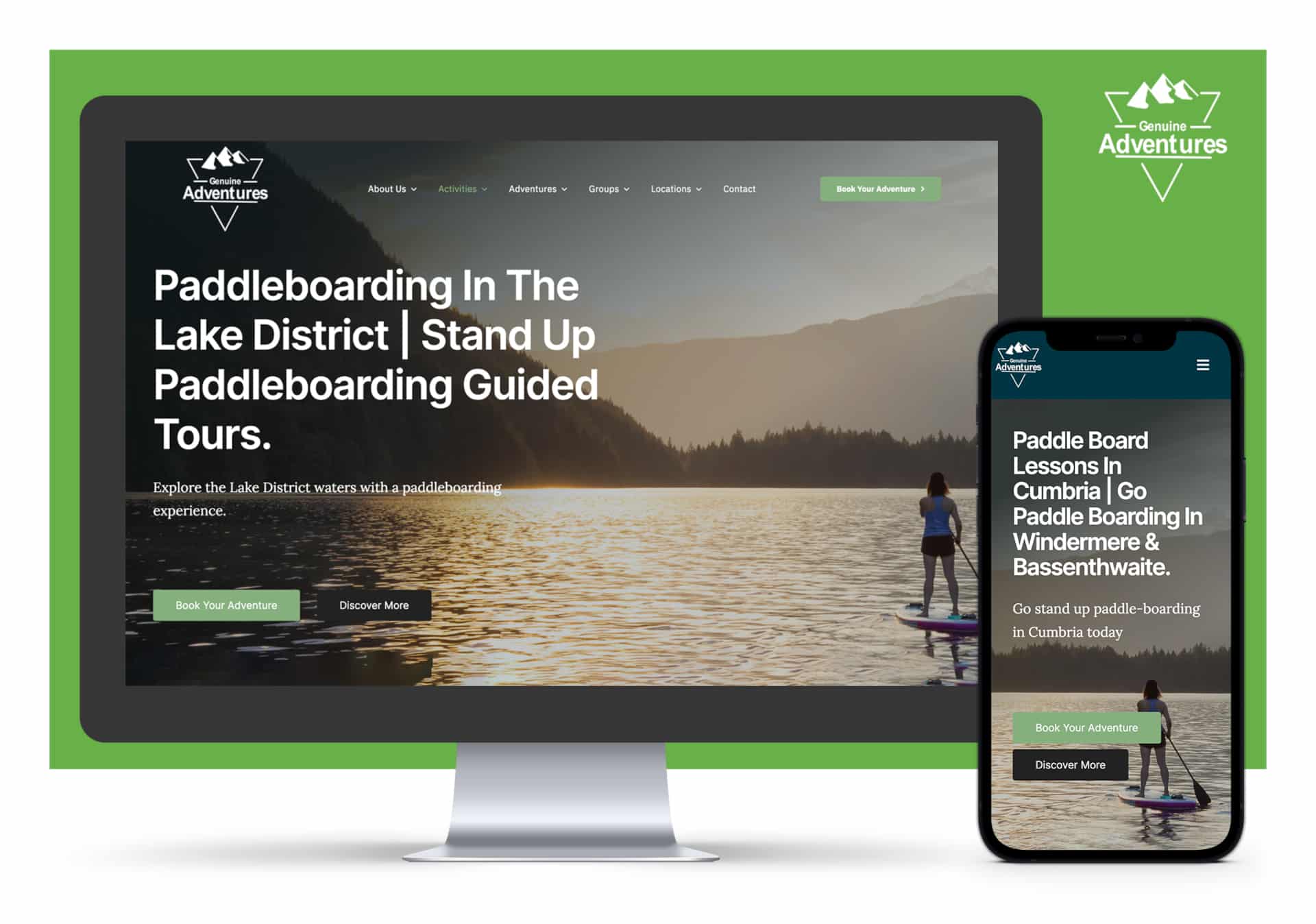
Website Design For Genuine Adventures
The creation of an engaging WordPress website.

Shopify Website Marketing For 303 Car Care
The available budget grows due a strong ROI

Related guides
What Is E-E-A-T?
Demonstrating firsthand experience and authority in the website content you publish is more important than ever if you want your content to…
The Power Of Technical SEO
Boost Your Website’s Performance & Rankings Technical SEO refers to the optimisation of the technical elements of a website to improve it’s…
How To Create Locally Relevant Content
For businesses looking to establish a strong online presence in their local area, creating and understanding the purpose of locally relevant content…